Decoded: Beer Terms
Ever looked at a craft beer menu and wondered what on earth half the words mean? From IBUs to dry hopping, the world of beer is full of technical terms and colourful language that can feel like learning a new dialect.
At Rawlings Bristol, we’re all about making complex things easier to understand - here’s a plain-English guide to common beer terms, covering everything from production to tasting, to help you feel right at home in any pub or brewery.
Production & Brewing Terms 🍺
Terroir
Often linked to wine, terroir also applies to beer. It describes how local ingredients (such as water composition, regional hops, grains, yeast strains) influence flavour.
Original Gravity (OG)
This measures the sugar content in wort before fermentation. Brewers use OG to estimate the potential alcohol content and body of the finished beer.
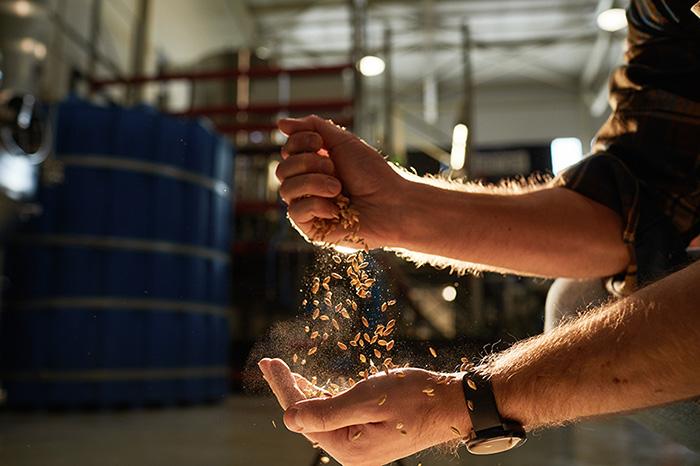
Wort
The sweet liquid extracted from mashed grains before fermentation. Think of wort as the “starting point” of every beer, which yeast later transforms into alcohol and carbonation.
DO (Dissolved Oxygen)
This refers to the amount of oxygen present in beer, particularly during packaging. Too much oxygen can create stale flavours, while too little during fermentation can stress yeast and affect taste.
Yeast Trub
Sediment made up of spent yeast and proteins that settle at the bottom of a fermenter. Some beer styles are aged on yeast intentionally to add complexity and mouthfeel.
Dry Hopping
A technique where hops are added after fermentation to boost aroma without increasing bitterness. It’s common in IPAs and creates those bold citrus, tropical, and piney notes many beer lovers enjoy.
CIP (Clean-In-Place)
An automated cleaning system used to sanitise brewing equipment without taking it apart. It’s vital for maintaining hygiene, consistency, and quality in modern breweries.
Tasting & Sensory Terms👃
Body
Describes how heavy or full a beer feels in the mouth, from light and crisp to rich and full-bodied. It’s influenced by malt, alcohol level, and residual sugars.
IBUs (International Bitterness Units)
A scale measuring perceived bitterness from hops. Higher IBUs generally mean more bitterness, though malt sweetness can balance this.
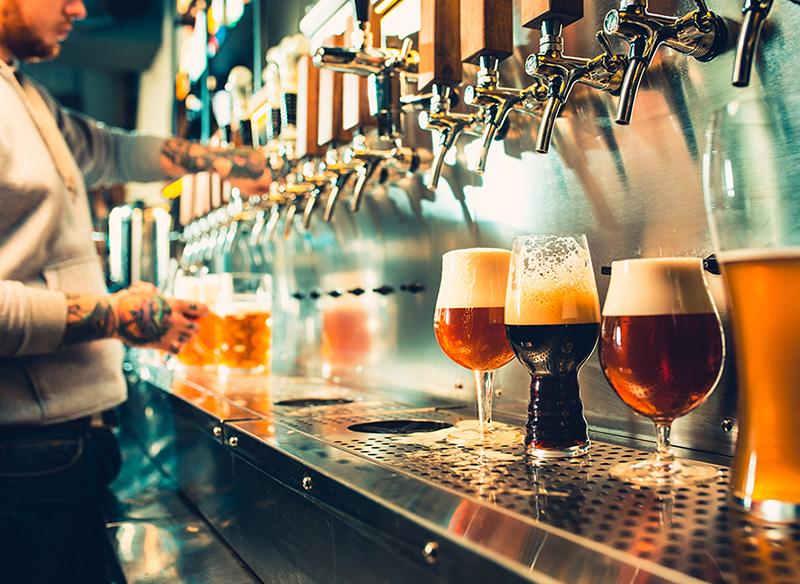
Carbonation
The level of dissolved carbon dioxide in beer. It affects mouthfeel and flavour, ranging from softly carbonated cask ales to lively, sparkling styles like Saisons.
Head Retention
How long the foam head lasts on top of a beer. Good head retention often signals proper brewing technique and enhances aroma and texture.
Finish
The flavours that linger after you swallow. A beer might finish dry, sweet, bitter, or clean - a long, balanced finish is usually a sign of quality.
Hazy
A deliberately cloudy appearance caused by proteins, yeast, and hop compounds remaining in suspension. Popular in New England style IPAs, and not a flaw when intentional.
Understanding key beer terms makes exploring tap lists, brewery tours, and tastings far more enjoyable. The UK’s beer scene is known for creativity and quality, and knowing the language helps you get even more from the experience!
Cheers to learning something new. 🍻
Related
articles


Amber Glass - Why it's a classic
Amber glass is more than just beautiful. it’s a timeless blend of style, function, and sustainability.
Did you know?
We also sell canning lines and a wide range of other brewing equipment
Vigo, part of Rawlings Group, offer canning systems to independent and craft breweries as part of their range of brewing, filling and packaging products.
Installation and commissioning of canning lines is completed by our team of engineers, who offer technical support, servicing, repair and maintenance.

