How Is Glass Recycled In The UK?
Glass is one of the most sustainable packaging materials, that’s because it can be recycled indefinitely without losing quality, contributing to the circular economy. It is also chemically inert, which means it doesn’t leak toxic chemicals into the environment. But what does the process of glass recycling actually involve?
Stage 1 – Collection
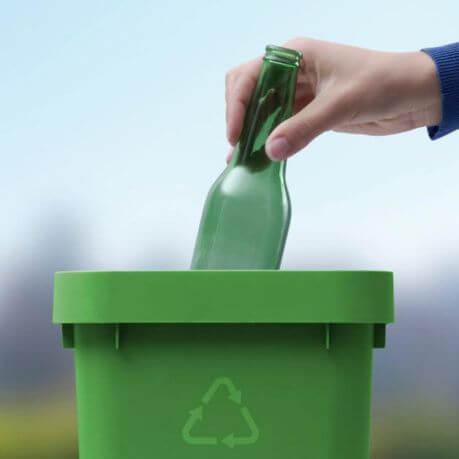
The glass recycling loop begins with collection. Both businesses and consumers can recycle glass packaging. Households place glass items in recycling bins which are collected by local councils, or they can take their glass bottles and jars to dedicated drop-off points. Businesses also use commercial waste collection services.
Rawlings was established with a form of recycling at the very beginning. When our company was started by William Rawlings in 1850, empty glass bottles were collected, washed and resold. We still hold this legacy at the heart of the way we do business today.
Stage 2 – Sorting
The collected glass is then transported to a glass processing plant. Once separated from other recyclable materials, the glass bottles and jars are sorted by colour. Typical colours the packaging is sorted into are clear (flint), amber (brown), and green.
Stage 3 – Cleaning
Advanced equipment, including optical sorting systems, air jets and conveyer systems clean the glass. Other elements such as metal caps and plastic lids are sometimes removed manually.
Stage 4 – Crushing
The sorted glass is crushed by machinery into smaller pieces of glass called cullet.
Stage 5 – Final Clean
Before the glass can be remanufactured, it must undergo further cleaning. Air classifiers and magnets remove paper labels and other elements from the glass. This is important because a cleaner input of cullet makes for a cleaner output and a better end product. High-quality cullet also uses less energy in the production process.
Stage 6 – Melting
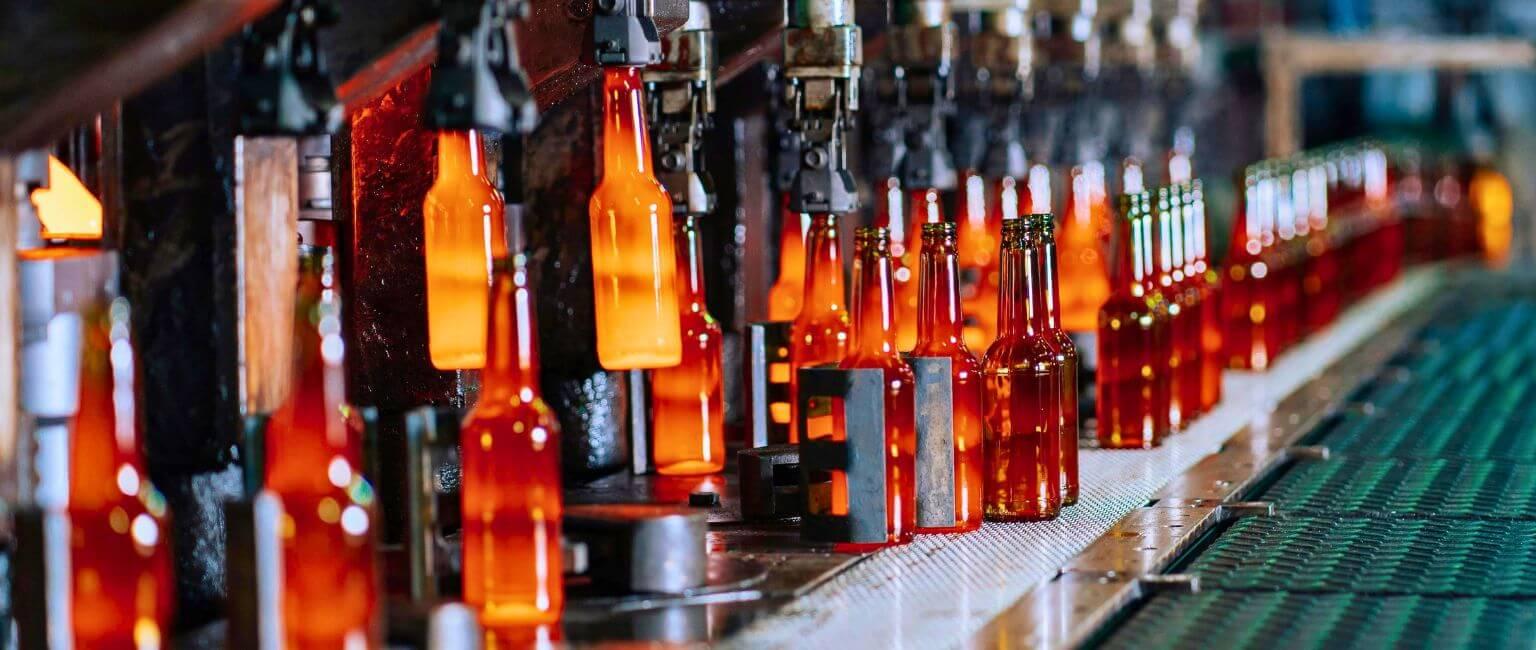
The cullet is melted in a furnace at extremely high temperatures of around 1,400°C. Using mostly cullet and less raw materials reduces the energy required for melting.
Stage 7 – New Products
The molten glass is shaped into new products, for example glass jars and bottles. The process where the molten glass is fed into moulds and shaped is often called ‘press and blow’.
Stage 8 – Annealing
After the glass is formed, the containers gradually cool down in a process called annealing. Cooling the glass down in this way relieves internal pressure and strengthens the container.
Stage 9 – Distribution
The final products are packaged and distributed to manufacturers, retailers and consumers themselves. This completes the glass recycling loop.
Overall, the importance of glass packaging cannot be overstated, as one of the most sustainable options, with infinite recycling capability, it’s clear why businesses continue to choose glass to package their products. Recycling glass containers is vital, as a closed-loop system, recycling glass bottles or jars means they can be melted down and remanufactured over and over, without losing quality.
By recycling glass, we contribute to the circular economy and conserve raw materials, which reduces waste and lowers the environmental impact associated with packaging.
At Rawlings, we understand the crucial role recycling glass packaging plays in contributing to a healthier planet, that’s why we hold sustainability as one of our key values.
Explore our wide variety of glass bottles and glass jars we supply for businesses looking to move towards sustainable packaging, including a range of 100% recycled containers.
Related
articles
What are the key challenges in packaging today?
What are the key challenges in packaging today? We go over packaging challenges for brands including sustainability, costs and functional performance.